

From AI-powered advertising to changing search habits, here’s what’s happening in digital marketing as we head into the final months of 2026.
Digital marketing never sits still, and this fall is no exception.
Google continues to introduce AI-powered features, advertising platforms are becoming more automated, and the way people discover and interact with businesses online is changing.
For business owners, keeping up with every new feature or algorithm update can feel overwhelming. But not every change requires a complete overhaul of your marketing strategy.
At Flight Plan Marketing, we’re keeping an eye on several important developments that could influence how businesses attract customers, manage advertising budgets, and measure results.
Here are five trends worth paying attention to this fall.

1. Google Search Is Becoming More AI-Driven
We’ve talked about AI-powered search before, but it’s worth revisiting because the changes keep coming.
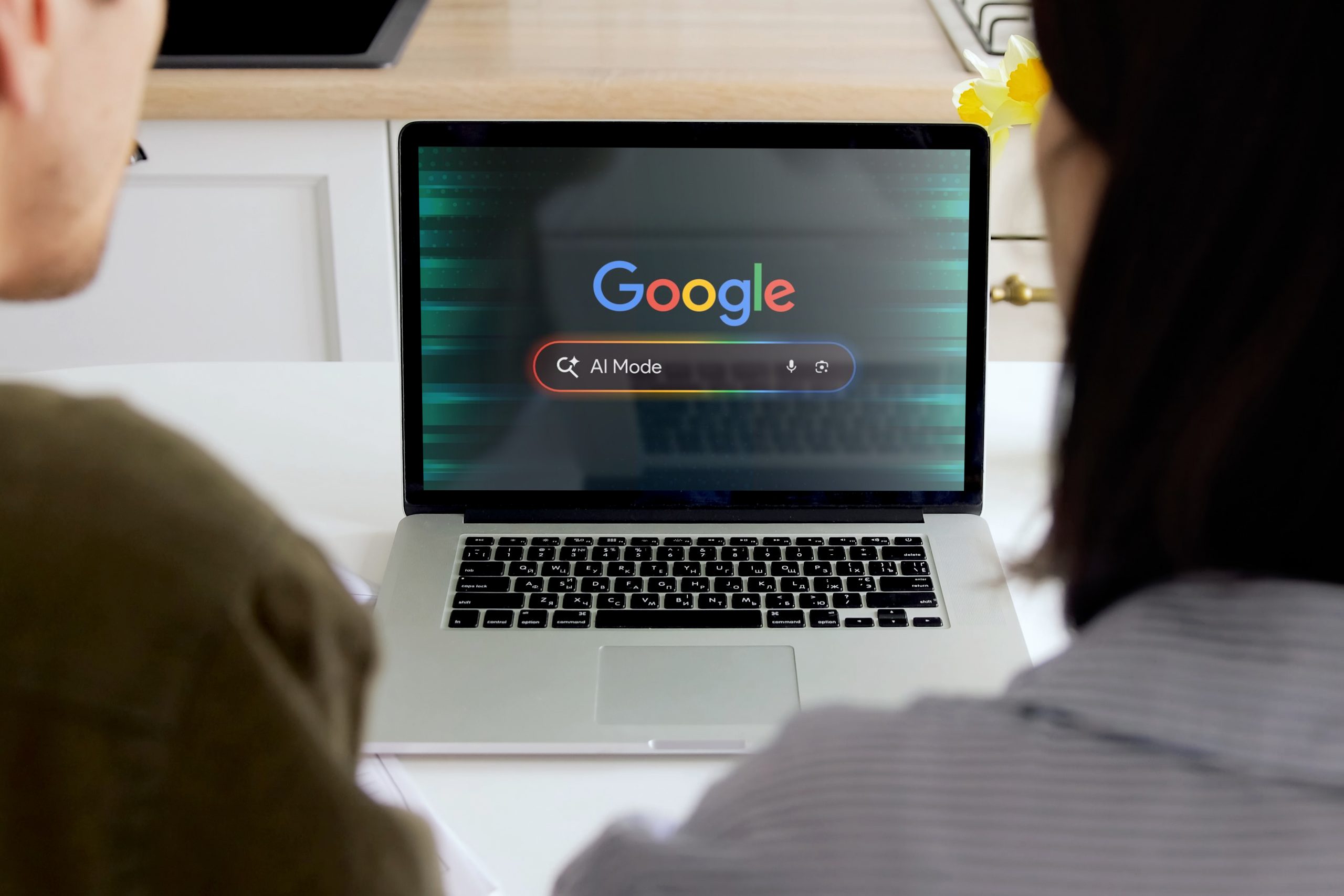
Google’s AI Overviews and AI Mode are changing how people find information online. Instead of simply displaying a list of websites, Google can now provide detailed answers, recommendations, and comparisons directly within search results.
This creates both opportunities and challenges for businesses.
Your website still needs to rank well, but it also needs to provide clear, useful information that AI-powered search tools can understand and reference.
What this means for your business: Continue investing in SEO, but focus on helpful content, detailed service pages, and answering the questions your customers actually ask. Traditional SEO remains important, even as search evolves.
2. Google Ads Is Moving Toward More Automation
Google Ads has been introducing increasingly sophisticated AI tools, and 2026 has brought another round of changes.
One of the biggest developments is AI Max for Search campaigns, which uses artificial intelligence to identify additional search opportunities, customize advertising messages, and direct visitors to relevant website pages.
Google has also been expanding automation and reporting capabilities within Performance Max and Demand Gen campaigns.
The goal is to help advertisers reach potential customers more efficiently.
But automation doesn’t eliminate the need for marketing expertise.
Someone still needs to establish campaign goals, monitor search relevance, manage budgets, review results, and make sure advertising is generating meaningful business outcomes.
What this means for your business: AI can help improve campaign efficiency, but successful advertising still requires thoughtful strategy, accurate conversion tracking, and ongoing optimization.
3. Social Media Is Becoming a Search Engine
People aren’t just using social media to keep up with friends anymore.
Platforms like Instagram, Facebook, TikTok, and Pinterest are increasingly being used to discover products, research businesses, and find recommendations.
Someone looking for a restaurant, furniture store, or local service provider might begin their research on social media rather than Google.
That makes the content businesses publish more important than ever.
Helpful videos, clear descriptions, customer testimonials, product demonstrations, and educational posts can all influence purchasing decisions.
It’s no longer enough to post regularly just to maintain a presence.
What this means for your business: Think about the questions customers might be searching for and create content that helps answer them. Social media should support discovery, build credibility, and encourage people to take the next step.
4. Better Tracking Is Becoming More Important Than More Traffic
For years, digital marketing conversations have focused heavily on generating website traffic.
But more visitors don’t automatically mean more business.
As advertising platforms become more automated and customer journeys become more complicated, understanding what happens after someone clicks is increasingly important.
Are visitors submitting forms? Calling your business? Making purchases? Returning later to complete a transaction?
Tools like Google Analytics 4, Google Tag Manager, and conversion tracking help connect marketing activity to actual business results.
At Flight Plan Marketing, we believe this is one of the most important parts of a successful marketing strategy.
Without reliable tracking, it’s difficult to know which campaigns deserve more investment and which need improvement.
What this means for your business: Make sure your analytics and conversion tracking are properly configured. Focus on qualified leads, sales, and meaningful customer actions rather than traffic alone.
5. The Customer Journey Is Getting More Complicated
Today’s customers rarely follow a straight line from seeing an advertisement to making a purchase.
They might discover your business through Instagram, search for reviews on Google, visit your website, leave, see another advertisement, and return days or weeks later.
Add economic uncertainty and cautious consumer spending into the mix, and those decisions can take even longer.
This is why relying on a single marketing channel can be limiting.
Google Ads can capture immediate demand. SEO helps customers find you during their research. Meta advertising builds awareness and keeps your business visible. Email marketing helps maintain relationships with people who aren’t ready to buy today.
Each channel supports a different part of the decision-making process.
What this means for your business: Think beyond individual campaigns. An integrated marketing strategy helps keep your business visible throughout the customer journey, not just at the moment someone is ready to purchase.

What Should Businesses Focus on for the Rest of 2026?
With so many changes happening, it’s tempting to chase every new tool or marketing trend.
But the fundamentals of good marketing haven’t changed.
Your business still needs a strong website, clear messaging, consistent visibility, useful content, and a way to measure results.
The difference is that the tools available to achieve those goals are becoming more sophisticated.
At Flight Plan Marketing, our approach is to combine new technology with proven marketing strategies. We evaluate what’s changing, identify opportunities for our clients, and make adjustments based on actual performance rather than simply following the latest trend.
Because staying current with digital marketing isn’t about using every new feature.
It’s about understanding which changes can actually help your business grow.